

 -0.51 (-2.58%)

 Go back
In recent years, water therapy has emerged as a cornerstone of modern wellness centers, offering a unique blend of science-backed therapeutic benefits and relaxation opportunities.
For professionals in the wellness industry, understanding the intricacies of designing and implementing water therapy facilities is crucial to meeting the growing demand for these services. This comprehensive guide aims to provide engineers, contractors, architects, and facility operators with the technical knowledge necessary to create effective and efficient water therapy solutions.

Sumérgete más con nuestro Ebook

 Contact us
 Close form
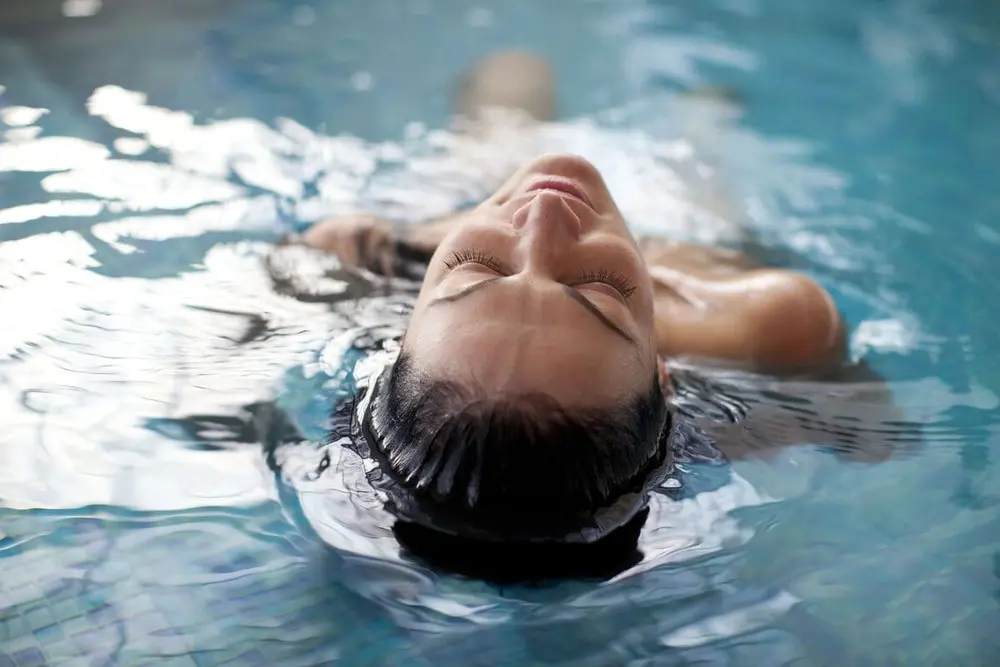
Understanding the technical foundations of water therapy
At the heart of water therapy’s effectiveness lie the physical properties of water and their physiological effects on the human body. Two fundamental principles that should inform every aspect of facility design and equipment selection.
Physical properties of water relevant to therapy
Water’s unique properties make it an ideal medium for therapeutic applications:
- Buoyancy: Reduces the effects of gravity, allowing for low-impact exercises and relieving pressure on joints.
- Hydrostatic pressure: Provides gentle compression to the body, improving circulation and reducing swelling.
- Resistance: Offers natural resistance for strengthening exercises, adaptable to various fitness levels. For patients with conditions such as multiple sclerosis (MS), resistance from water can be a powerful tool for rehabilitation.
Physiological effects on users
Understanding the body’s response to water therapy is crucial for optimizing facility design. As such, water therapy is known to be within the most effective holistic therapies by promoting the following beneficial effects:
- Improved circulation: Hydrostatic pressure enhances blood flow, particularly in the extremities.
- Reduced joint stress: Buoyancy supports body weight, enabling pain-free movement for individuals with joint issues.
- Muscle relaxation: The combination of warm water and hydrostatic pressure can significantly reduce muscle tension. For users with chronic conditions or joint pain, water therapy can also alleviate discomfort and inflammation.
Essential water therapy facilities and the design considerations to take into account
A well-rounded wellness center typically includes several of the following key facilities, each with its own set of technical requirements that should be taken into account.
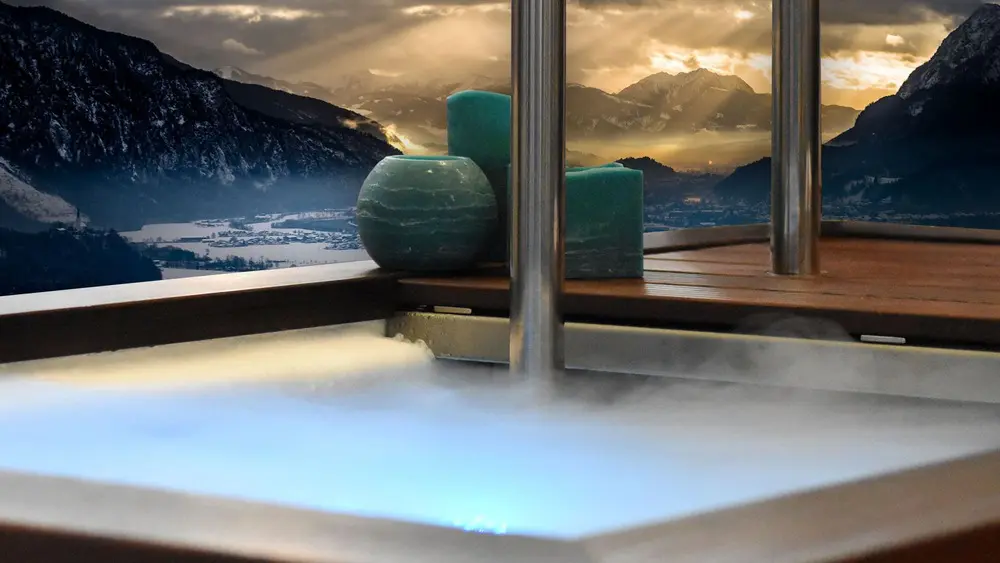
Cold plunge pools
Cold plunge pools offer a cold therapy opportunity in contrast to warm water areas, saunas or steam baths, with a wide range of recovery benefits.
Ideally, the cold plunge is a 1-meter pool where temperature is kept at around 7 to 15 ºC . This is enough to stimulate the body without any health issues for regular users. In order to achieve these conditions, robust cooling systems are required for the pool, with controlled and safe temperature settings in cold plunge pools ensuring both therapeutic and circulatory benefits.
- Cooling system specifications: the choice of chiller units should be capable of maintaining temperatures between 7-15°C.
- Safety features: Non-slip surfaces around the pool area, handrails for user support, and clear signage indicating temperature and usage guidelines.
Flotation pools
Flotation therapy requires specialized pools or tanks designed for offering sensory deprivation experiences combined with floating which, as part of therapeutic practice, encourages relaxation and stress relief.
These types of pools are usually kept around 34 ºC and include a high concentration of salt in the water, which facilitates floating. Additional technical requirements for these pools include:
- Water composition management: High-capacity salt dissolution systems.
- Soundproofing and light isolation: Acoustically treated walls and ceilings to create a tranquil environment.
- Filtration for high-salinity environments: Salt-resistant filtration systems.
Thalassotherapy pools
Thalassotherapy uses seawater and marine elements for therapeutic purposes, emphasizing natural minerals and seawater properties, connecting with nature’s inherent healing properties.
These pools require specialized filtration and UV sterilization for bacterial control.
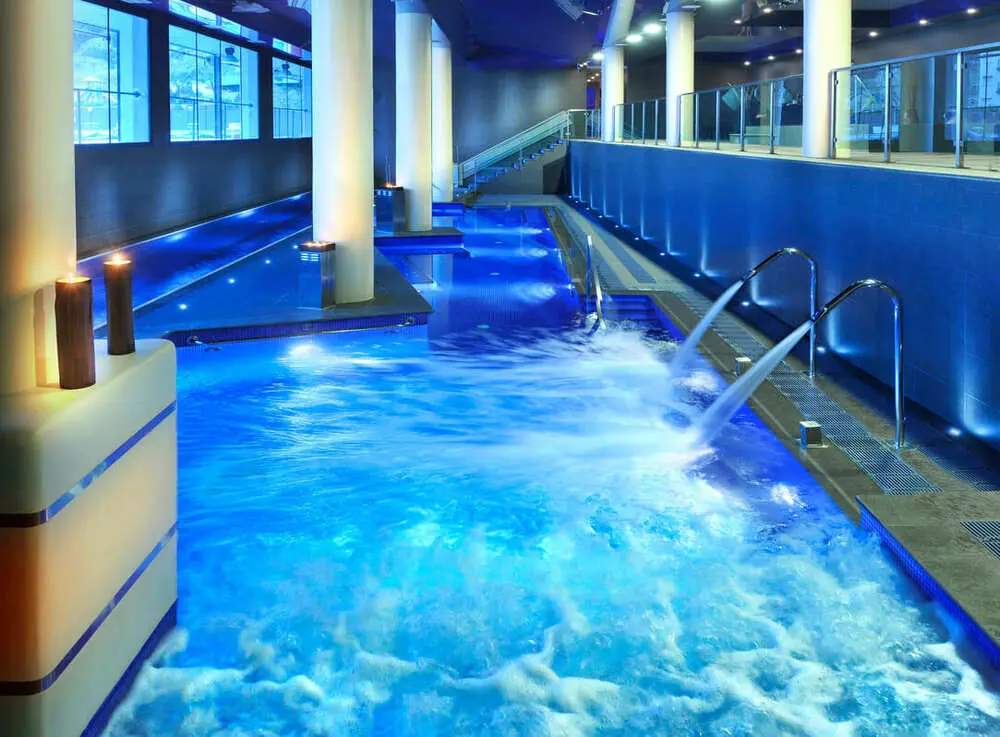
Aquatic exercise and rehabilitation facilities
These specialized pools are designed to facilitate exercise and rehabilitation and thus require unique design considerations to accommodate a range of therapeutic activities.
Facility designers should incorporate structures that support ease of use, especially for those with mobility limitations: from underwater treadmills to resistance jets and waterproof exercise equipment, all of which offer varied and adaptable exercise sessions. Recessed equipment built into the pool structure helps integrate these tools seamlessly, creating accessible and effective exercise spaces.
Emotional showers
Emotional showers combine water temperature, pressure, and aromatherapy for a multi-sensory experience that promotes mental wellness alongside physical relaxation. This advanced therapy aims to elevate the user’s experience by offering personalized therapeutic sequences.
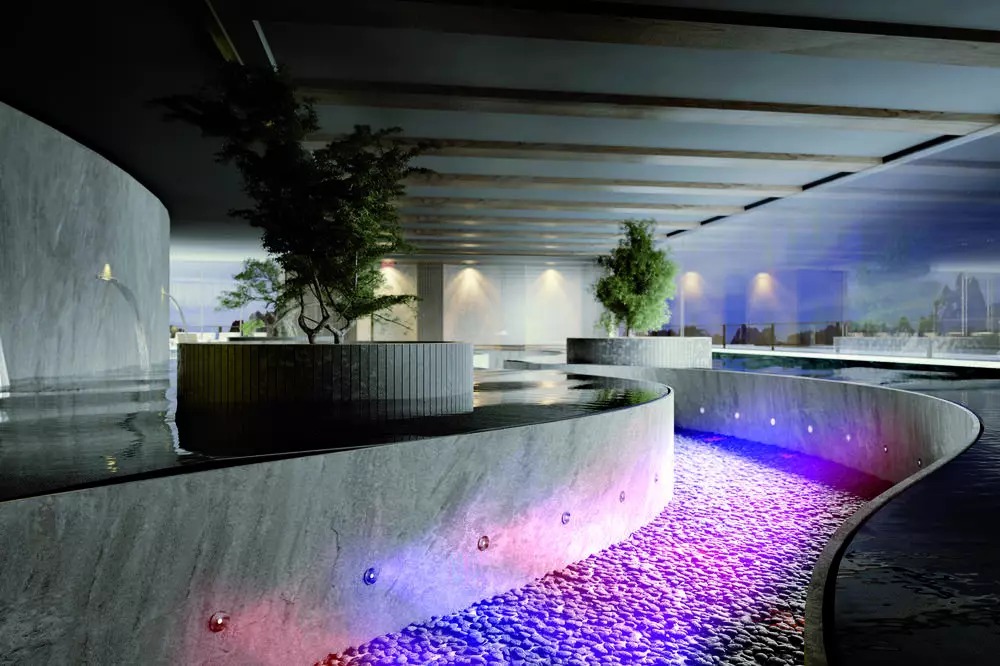
Technical infrastructure and technologies for water therapy facilities
The backbone of any water therapy facility is its technical infrastructure, which ensures safe and efficient operation.
Water treatment and filtration systems
Selecting the right filtration system is essential to maintain water quality and clarity. Wellness professionals should consider:
- Cutting-edge pool filter systems, such as sand filters for large volume pools.
- Diatomaceous earth filters for enhanced water clarity.
- Chemical balance management: Automated pH and chlorine level controllers and ORP sensors.
The inclusion of advanced equipment and smart management systems such as digital twins is worth mentioning here, emerging as key allies for water therapy centers thanks to their capacity to foster cost-savings through predictive maintenance.
Advanced water therapy technologies
A number of advanced water therapy technologies have emerged to enhance the therapeutic experience offered in wellness centers, exceeding bathers’ expectations and providing immersive experiences.
Sensorial therapy stands out in this context. Applied to water therapy, it involves the use of multiple pleasant stimuli for developing an immersive experience tailored for relaxation and healing that delights bathers.
These multi-sensory setups align with user goals of reducing anxiety, managing chronic pain, and enhancing mental well-being. These installations typically rely on the following advanced technologies:
- Underwater sound systems: Waterproof speakers or transducers that provide therapeutic sounds and music.
- Aromatherapy diffusion: Automated dosing systems for consistent fragrance levels.
- Chromotherapy: LED lights with color-changing capabilities synchronized to therapy sessions.
Energy efficiency and sustainability considerations
Implementing sustainable practices is crucial in modern water therapy facilities.
Equipment such as heat pumps, heat exchangers, and variable-speed pumps offer energy-efficient operation, with advanced and sustainable pool cooling and heating systems currently available for guaranteeing efficiency and cost-savings.
Water conservation techniques reduce the environmental impact of these facilities.
Beyond the basics: how to build an outstanding water therapy space
Water therapy facilities represent a significant investment in both infrastructure and technology, with their success being based on thoughtful design, precise implementation, and ongoing maintenance.By understanding the technical foundations of water therapy and incorporating advanced technologies, wellness facility professionals can create spaces that offer profound therapeutic benefits while operating efficiently and sustainably.The demand for water therapy continues to grow: it’s expected to grow at a CAGR of 7.6% from 2024 to 2033, according to Allied Market Research.In order to make the most of this trend and stay ahead of competition, staying informed about the latest advancements in pool technology, water treatment, and energy efficiency will be crucial. The future of water therapy facilities lies in the integration of smart systems, personalized experiences, and environmentally conscious operations . By embracing these principles, engineers, contractors, architects, and facility operators can ensure that their water therapy offerings remain at the forefront of the wellness industry, providing valuable and effective services to their clients.